
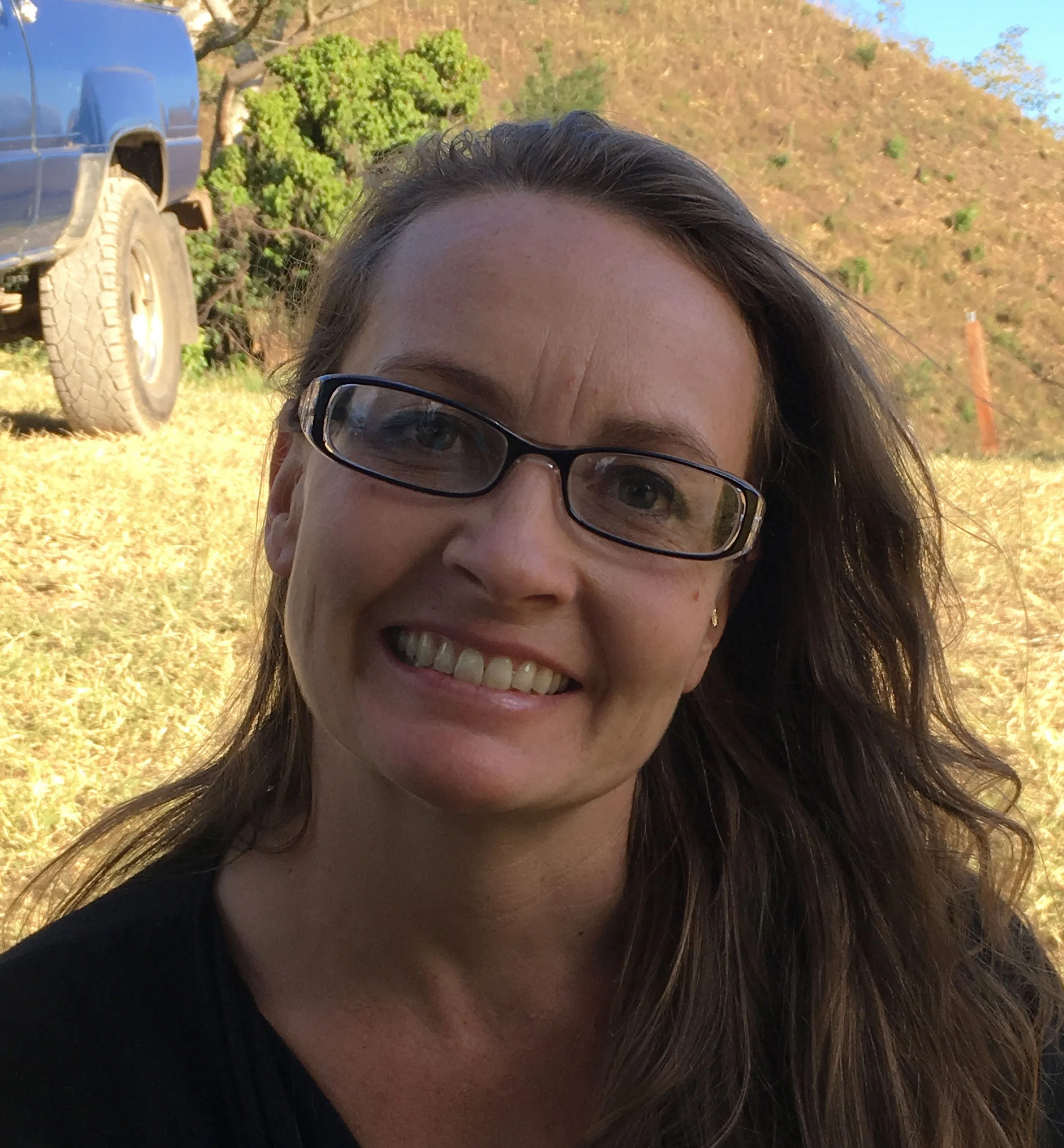
Crystal Villalta grew up riding Hunters and Equitation in Southern California, training with respected horsemen including Kathy Deambra, Jamie Mann (International Grand Prix rider and coached Richard Spooner to the USET Talent Search Championship as well as Reserve Championship placing in AHSA and MSPCA Medal Finals) and Hillary Ridland (International Grand Prix competitor). As a junior, she earned championships in the Junior Hunters, Equitation and Medals, including the AHSA Small Junior Hunter Silver Stirrup Award with her mare, Falin and both OCHSA Horsemanship and Equitation Medal Finals with her imported Holsteiner Gelding, Dahni Catrak. During her junior years she had the opportunity to refine her training and riding skills as a working student and catch rider, gaining experience across the Hunter and Jumper rings.
Crystal holds a Bachelor’s Degree and Graduate Teaching Credential from California State University, Fullerton, and spent over a decade teaching special education while raising and training homebred horses, catch riding and breaking/training project horses.
Crystal’s husband, Osman, grew up with horses and mules in Guatemala. Osman moved to California at the age of 18 and began working with Thoroughbred and Arabian racehorses, working his way up from groom to licensed rider and trainer. His valuable insight into care and soundness as well as his extensive riding and training experience is a valuable addition to the program.
Upon moving to Maine, the Villalta family operated East Coast Horse Transportation, known locally as reliable hauling, particularly for “difficult” loaders.
Now based in Cape Elizabeth, Crystal teaches English Riding focusing on a comprehensive approach to horsemanship, Hunters and Equitation at Shady Oaks Farm. Her program blends classical horsemanship with a horse-first approach incorporating modern and innovative approaches to training. With her background in education, Crystal brings a thoughtful, confidence-building environment where students learn not only to ride, but to understand and care for horses from the ground up.
Meet Crystal
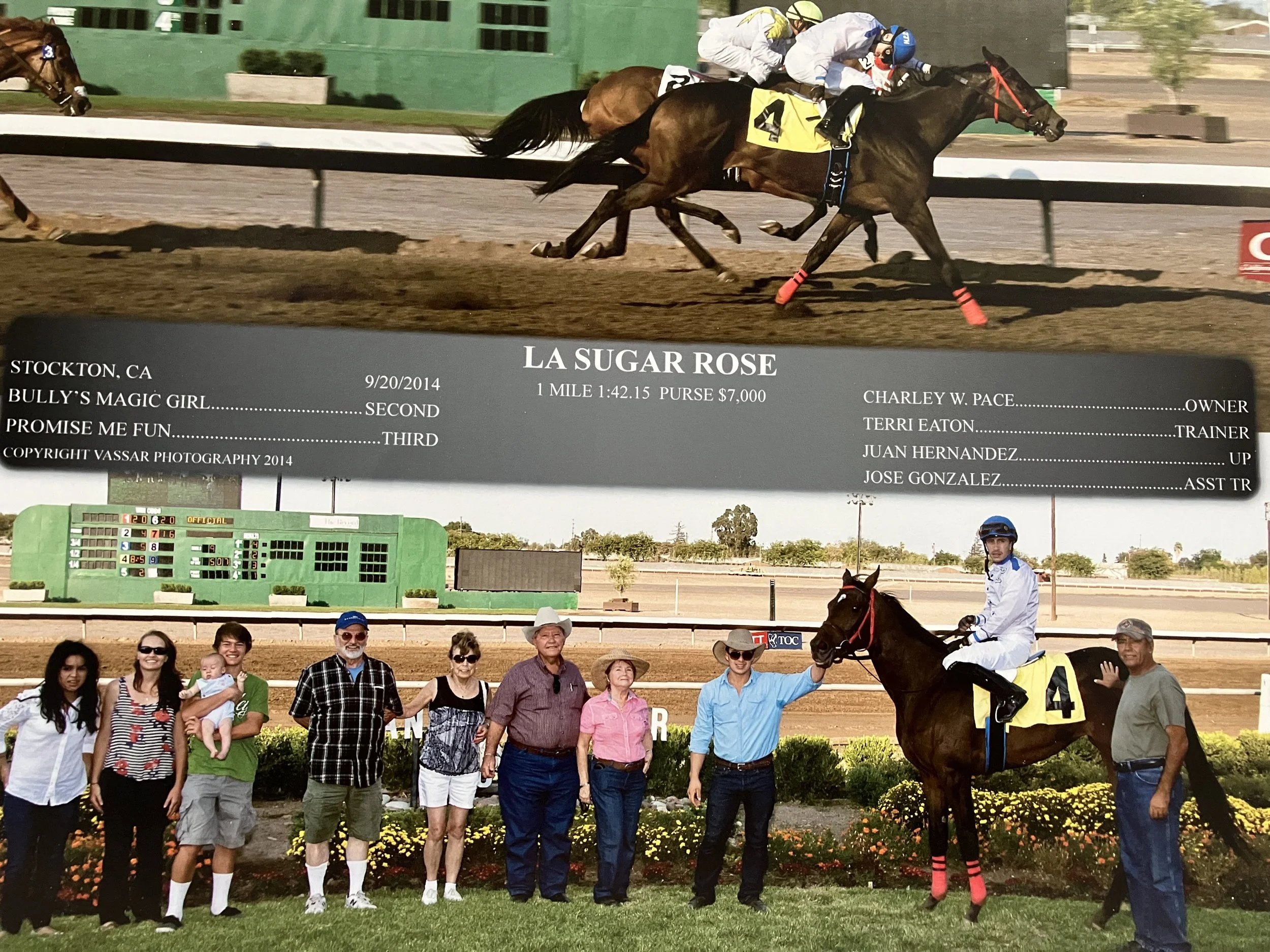
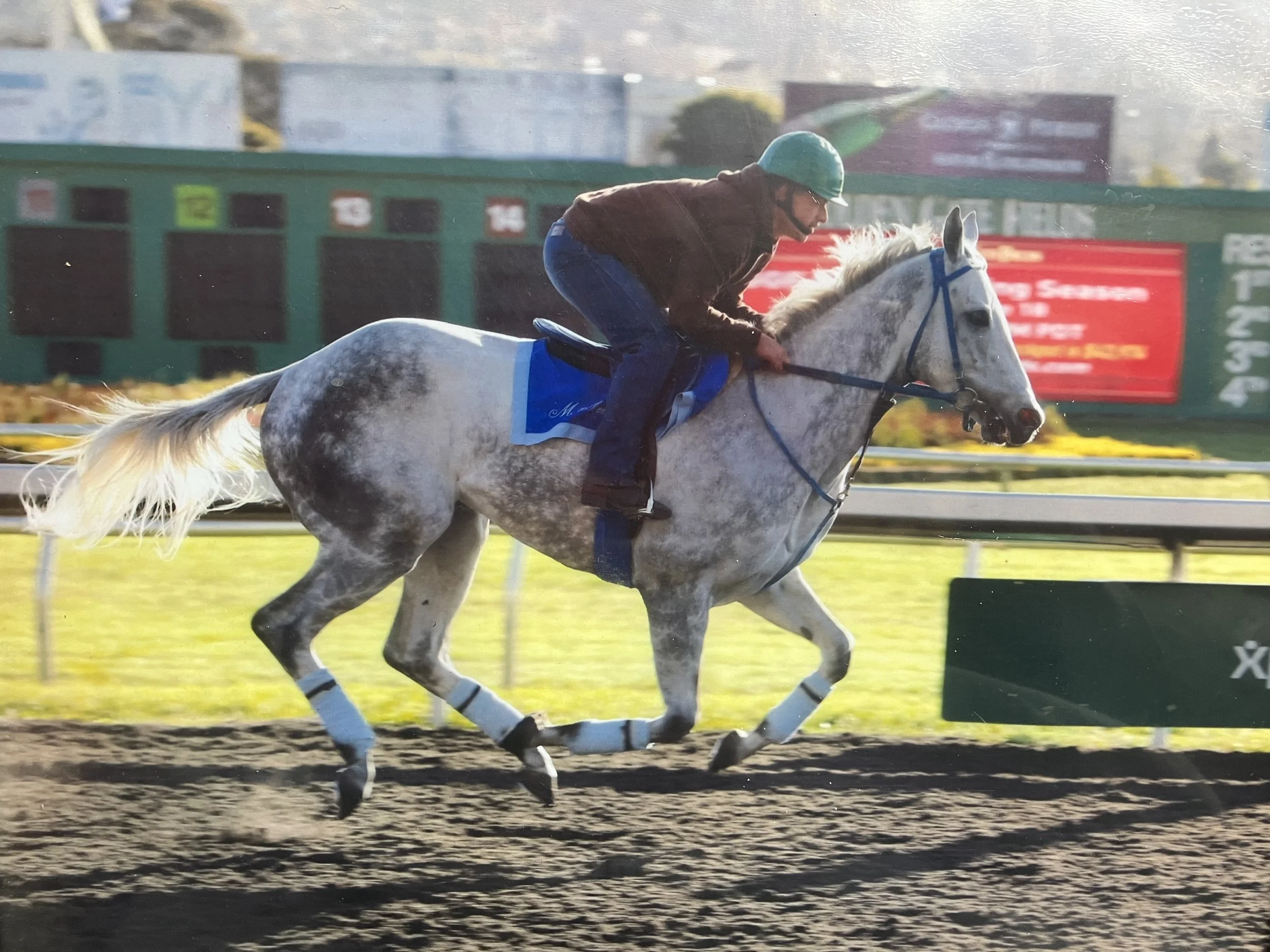
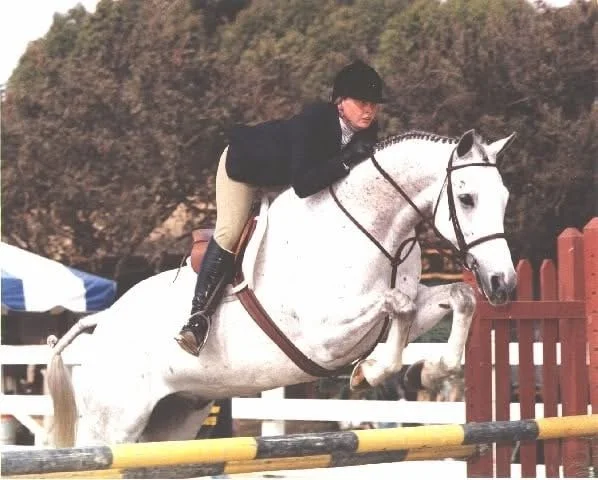
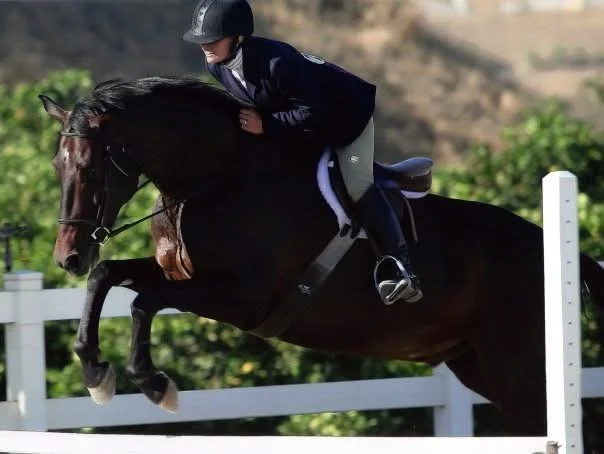
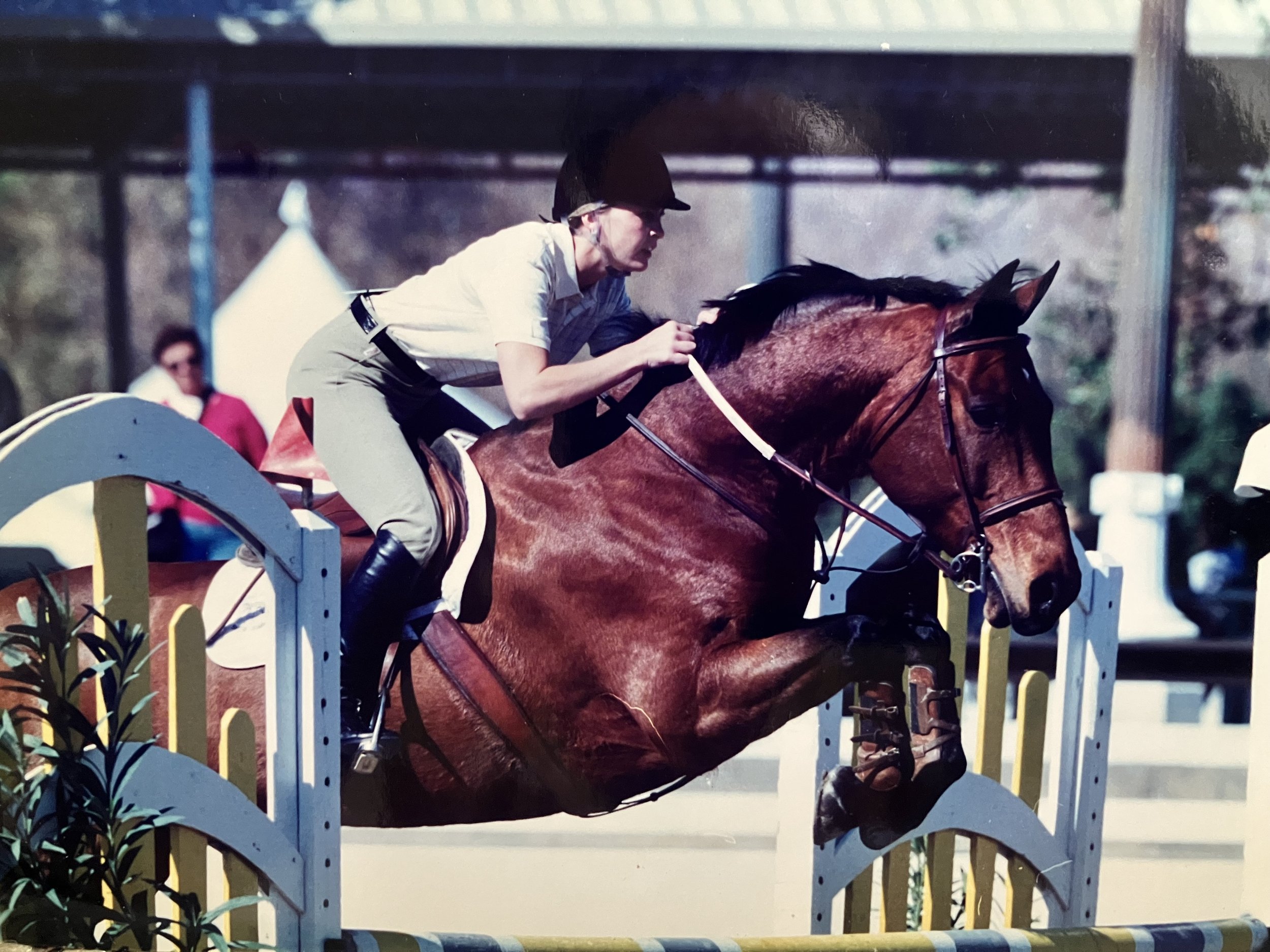
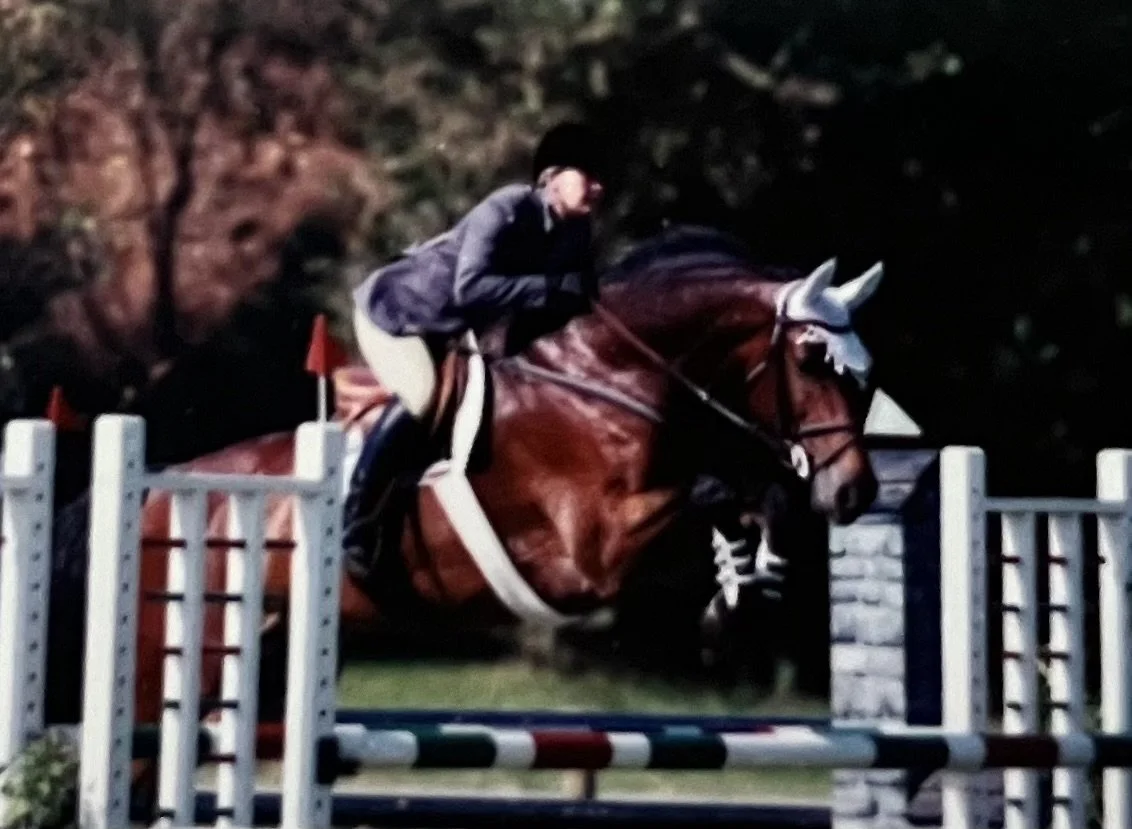
Cape Elizabeth Equestrian was established to provide a well-rounded education to new riders and existing horse owners. Our aim is to create compassionate and knowledgeable horse people with an emphasis on safe handling practices and exceptional care. We are not a “show barn” (although intermediate/advanced students do have opportunities to compete as a tool for growth). Instead, we are devoted to helping each individual rider and horse reach their full potential without expectations.
Our program
Our philosopy
CER prioritizes a “horse-first” approach (putting the welfare of the horse emotionally and physically before a rider’s aspirations to compete or succeed in sport). It is our belief that horses should be better off for having us in their lives emotionally and physically. Fear or domination have no place in working with horses.
Training
Relationship and connection (being present and receptive to what a horse is communicating) are at the core of any interaction with horses. Being able to understand what horses are communicating, whether it be confusion, anxiety, physical discomfort or muscle weakness, and responding in an appropriate way to HELP, not force, the horse to make progress and thrive is our definition of horsemanship. With this in mind, our approach to training begins on the ground, ensuring our horse is ready and willing. We do not overlook poor leading habits, horses avoiding having the bridle put on or standing at the mounting block. We take a comprehensive approach to training where every step and interaction are building blocks. Horses learn what is expected of them with compassion and patience.